
Inundated since antiquity with Her silent grace,
the riverside gives refuge letting this child of wisdom grow.
Will she dream of empires and riches,
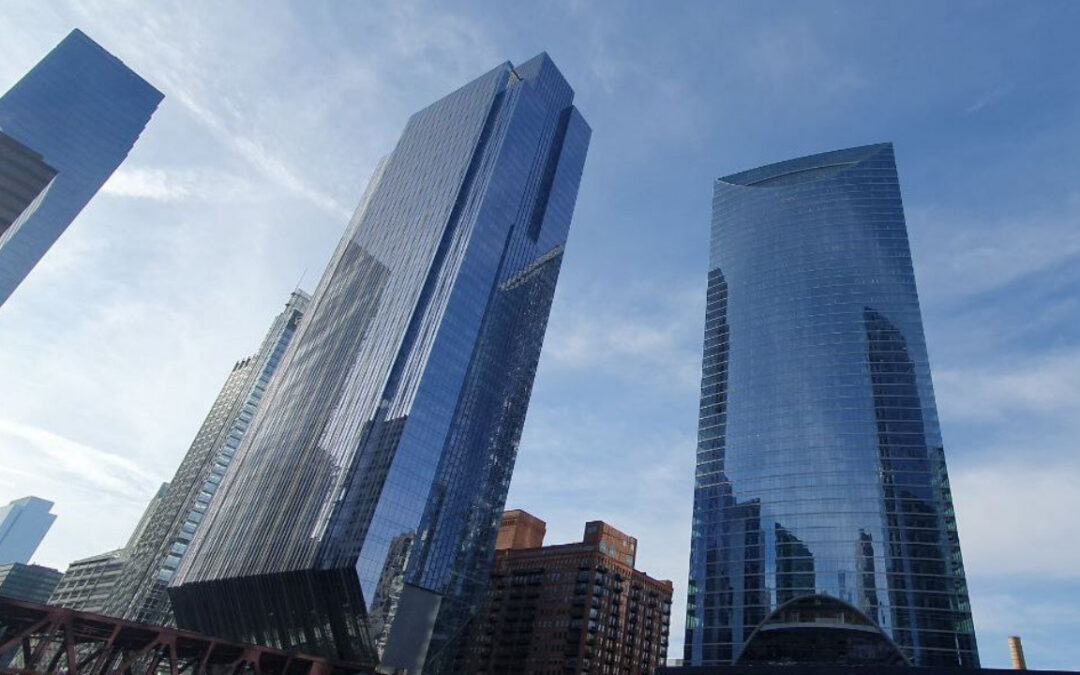
skyscrapers of desires reaching to the heavens such genius defeat of limitations?
Or will she let her sighs slip into a mantle of joy silent and deep;
heavy and buoyant like snowfall?
…excerpted from the poem Antarīkṣa, in the poetry collection Journey to Oḍḍiyāṇa by Mā Umā-Pārvatī
Recently, while reading the Saundaryalaharī, I was again astounded by the metrical precision and poetic perfection, which aren’t just embellishments to a beautiful narrative but convey its profound meanings. It’s one thing to effectively and directly communicate profound truths or complex philosophy. To deliver it with aesthetic rapture and metrical harmony that supports and adds to its beauty displays an astonishing construction. It’s architecture par excellence.
The poet is the architect in the Indian tradition. Three dazzling examples are
- the metrical precision and succinct poetry of the Vedas,
- the brilliant vibrational encoding of mantras and sādhanas while narrating the engrossing story of the Chandī Path,
- and the refined and sensual aesthetic of Saundaryalaharī.
These three vibrant examples show how sound pulsation creates a matrix of images, moods, and energy transformation. The practical aim of these texts is to impart wisdom, clarify this in the context of the human experience and predicament, and reveal a practical sādhana that one can engage in to embody this wisdom.
Like architecture’s practical and aesthetic aims, sādhana must fit people’s lives, meet embodiment’s needs, and reveal wonder and delight.
Perhaps this is why the ṛṣis and masters revealed the precious wisdom teachings in poetry. Or because it was easier to remember and grasp in an oral pre-written culture, yet we see poetry as the chosen conveyance, for example, in Saundaryalaharī and other later works of literate societies. Practicality is to be maintained; without it, things become afterthoughts or fun embellishments but not necessary sustenance. Beyond practicality, I wonder if the metrics and conventions of poetry allow for the innate paradox of life to be meaningfully conveyed. Life has an inherent paradox. To paraphrase the Vedas, this is because the observer is the observed. Life has an inexpressible beauty, and our place in it is often juxtaposed with hardships and suffering.
How do we include this mystery of beauty and wonder and show the way of clarity and wisdom without circumventing individual and collective suffering and pain?
Rhythm, sound, and images reveal an atmosphere of harmony, texture, and energy that gives context to this ineffable, paradoxical yearning to express and display itself. These dynamics remind me of Śakti. Consciousness’s power and self-reflexivity also unfolds in this cadence. Perhaps it’s Her language of inexpressibility. The inexpressible is felt and seen by the inner modes of perception. That is how we know it exists and why we are compelled to express it. Beautiful architecture does this, too. Of course, people will disagree on what is beautiful. Yet we can note practical features sensible to harmonious construction, whether of a sādhana or a building.
To me, both seem to require a harmonious functionality in their landscape, not overpowering it but articulating its features and serving the movement of life effectively with space for the spontaneous upsurges of beauty.
Architecture requires the techniques of sound and precise engineering. Looking at skyscrapers as an architects’ summit of expression, I see engineering feats seemingly defying human limitations. Chicago comes to mind; though the height of skyscrapers in other cities has surpassed it, it remains an unparalleled city of architectural innovation and contemporary geometric beauty for me. The towering buildings capture and reflect light, playing with the natural elements and offering it to the human ambition of reaching the skies like a laughing and audacious magician. In Chicago’s brutally cold winters, the snow, sun, and light reveal gleaming white brilliance across an iconic skyline reflected pristinely on Lake Michigan. Strange as it may seem, I feel the power of Sarasvatī in this frozen and reflective landscape. Soaring intelligence and spatial eloquence descending from the summits to the plains.
Vibration is both Śakti’s and the poet’s tool of engineering.
In a diligent analysis of sound vibration, the ṛṣis identified that vibration starts to flow and expand from Śakti’s outflowing volition. From the simultaneity of this vibration arises space, and this simultaneity unfolds also as wisdom and intelligence, and then, when brought into successive intervals, it births time. Any movement within this vibrational continuum affects everything else within its spatiotemporal matrix. Śakti has freely birthed all this as a display of Śiva’s fullness.
That which is unlimited chooses space, time, and causality, limitations to express its wholeness. Measures of limits become a paradoxical monument to its wholeness.
The fundamental expression of Consciousness is dynamic triune vibration unfolding as volition, wisdom, and action that has the power to create, sustain, and destroy. Sādhana follows this pattern of the One unfolding as three-fold and then further differentiates into a five-fold structure.[1] I have observed five corresponding components in the architecture of sādhana. Except for recognition, these categories are mine and are not based on traditional Śrī Vidyā
- Coherence/ Congruence
- Transformation
- Reciprocity
- Integration
- Recognition
Sādhana is the means of atma vidyā, to know the unchanging Self. It gives the means “to know that by which all is known” to paraphrase from the Vedas. It is a system of methodologies to reveal and calibrate the Universal to the individual. It means to give support to peace or being. It is often translated as “means of accomplishment.”
The accomplishment here is the release of suffering and the bondage of illusion and ignorance.
Before we go into the details, it is essential to understand that sādhana is a vehicle. We do much sādhana, using it as a rope to climb as high as possible so that when we let go, we have enough velocity to fall very deep into the heart of the Self, penetrating through numerous veils. Just as a rocket needs extraordinary velocity to break the gravitational field, sādhana works in reverse; it needs to involute deep enough to break through the karmic stratum, mind and body conditioning, and armoring of (perhaps) lifetimes.
The above five categories are neither linear nor distinct; a spiral and interpenetrating nature qualify them. I will closely examine the first of the five in this blog post.
Coherence
Coherence reveals the inherent order (rta) of Consciousness where the individual and Universal, relative and Absolute, are intertwined and reflect each other in a perfection of vibrational interconnectedness. They are two sides of one whole; the individual is never separate, appearing distinct from the Universal Consciousness. The individual is a clear and precise map of the immensity of the absolute.
Coherency allows for congruency with the whole, the highest, and where there is coherency, it is constantly calibrating this highest to the relative, changing, and impermanent world of forms.
The human incarnation is considered incredibly precious and unique. There are a few reasons for this; for our topic, it is because it is the conduit for higher Consciousness and not only the vehicle of Divine expression but is the Divine in vibrational microcosm with the ability to be the mesocosm, mediator of wisdom for others species.
In sādhana, the primary step is to experience this coherence directly. This heals a fundamental and existential split and can re-integrate psychological fragmentation. The ground of being as an individual is in the relationship to the unchanging and self-luminous. Yet, we rarely feel this as a foundation, sometimes perhaps as an aspiration.
From the absolute point of view, the unchanging and self-luminous overflows and expresses itself as the many.
And it is doing that constantly and multi dimensionally. For sādhana to progress, we must have this irrevocable understanding of our context to the Oneness as our sure foothold for when Consciousness reveals itself beyond ordinarily accepted concepts and boundaries of the mind.
As mentioned earlier, the “observer is observed in the Upanishads.” Coherence reveals this inherent paradox of incarnation. How can a seemingly separate object be the same as that which perceives it? Is there a perceiving non-separate self?
The ultimate level of coherence is the reconciliation that the seer, the seen, and the act of seeing is one simultaneous, unfragmented whole that we perceive successively through the partial lens of “me.”
These three are one vibrational dynamic of Śakti reflecting Her architectural masterpiece of creation to Siva.
This mystery that one is many, literally, not symbolically, ultimately resolves our struggles. It lifts our obsession on our inner thoughts and perceptions to the transcendental view of the wonder of diversity and richness beyond what our dualistic minds can perceive. Then, we can open to further mysteries of how interpenetrating and holographic Oneness is. To paraphrase the Tantras, how everything is of the nature of everything.
Sādhana insists on and provokes this experience; otherwise, it remains at a mental or conceptual level. Concepts can’t carry us when we are in a crisis or on the threshold of a breakthrough. What has been experienced, known directly, and embodied marks the difference between a breakdown and a breakthrough.
The bridge or the messenger of this coherence to reach beyond our ingrained mental and anguished fragmented levels of defending and protecting “myself” is devotion.
Fortunately, no one is devoid of devotion. The Sanskrit word for devotion is Bhakti, and one of its many meanings is to belong. We belong to Oneness relationally, and our beingness is part of Consciousness’s wholeness.
Coherence relieves us of the one-dimensionality of experience and the proprietorship of the Ahaṃkāra. The Ahaṃkāra translates to “I am the doer” and is usually understood as the ego. The ego is a confusing word that we use casually in many ways. The Ahaṃkāra is the part of the Self that experiences itself as separate, different, and limited and thus sees itself as the doer. It’s that knot in our being that we feel but goes undetected underneath much of our experiences and makes us feel separate from others. Life happens on many levels unknown to us. There is a synergy and dynamic of knowledge that does not fit into the narrowness of the Ahaṃkāra’s view. This knowledge opens a world beyond that tangled knot of “myself.”
Coherence reveals this vaster realm and lays the proper context for surrender. We are freed from always doing and being the doer behind our relentless activities.
A clear indicator that one feels the interconnection of the individual self to the Absolute is the ability to detach. This detachment increases, and at one point, united with devotion, it becomes a living surrender. Neither detachment nor surrender is final; they are dynamic and usually gradually unfolding in the bottomless ocean of potentiality and must be exercised repeatedly.
Gradual dynamics are more stable. Sudden changes are noteworthy and exciting, yet less coherent. Sometimes, an earthquake is needed to alter the landscape radically; other times, a slow-moving river gently carves a pathway through seemingly impenetrable rock.
Sādhana has many methodologies for coherence, laying the foundation for the towering peaks of sādhana to lead to the summit of nonduality. Many technologies can give this, as most Śrī Vidyā sādhanas traverse the previously-mentioned five-fold correspondence. Some practices precisely calibrated for this stage include puja, specific meditations and visualization, japa krama, Ishtadevata yoga, and all mantra and stotram recitations.
Plunged in the sādhana of Chandī Path or Saundaryalaharī, its poetic and rhythmic structure is a ladder ascending to the summits of Consciousness; the transcendental realm becomes accessible. It’s paradoxical that many perspectives are vibrationally coursing through us from nonduality. The magnitude of this vastness localizes within the human perspective. The dynamic of the relative expresses the Absolute bursting beyond the confined meanings of the entangled knot of ego. Emptiness’ game of fullness. In modern skyscraper architecture, the towering, seemingly liquid Aqua building in Chicago, admittedly one of my favorites, comes to mind: a rising wave of vibrational space, sound, and light— its riverine liquidity surging upwards as light cascades down—a poem to the sky.
[1] Sri Vidya has a map of the descent of Consciousness and power in this structure of one to three to five that will not be covered here.
Inundada desde la antigüedad
con su gracia silenciosa
la orilla del río da refugio
dejando crecer a esta niña de sabiduría.
¿Soñará con imperios y riquezas,
rascacielos de deseos que alcanzan los cielos
¿tal derrota genial de las limitaciones?
¿O dejará que sus suspiros se conviertan en un manto de alegría
silencioso y profundo; pesado y boyante como una nevada?
extracto del poema Antarīkṣa en la colección Viaje a Oḍḍiyāṇa de Mā Umā-Pārvatī
Recientemente, mientras leía el Saundaryalaharī, volví a asombrarme por la precisión métrica y la perfección poética, que no son meros adornos de una bella narración, sino que transmiten sus profundos significados. Una cosa es comunicar de forma eficaz y directa verdades profundas o filosofía compleja. Transmitirlas con un embeleso estético y una armonía métrica que apoye y se sume a su belleza despliega una construcción asombrosa. Es arquitectura por excelencia.
El poeta es el arquitecto en la tradición india. Tres ejemplos deslumbrantes son
- la precisión métrica y la sucinta poesía de los Vedas,
- la brillante codificación vibracional de mantras y sādhanas al narrar la absorbente historia del Chandī Path,
- y la estética refinada y sensual de Saundaryalaharī.
Estos tres vibrantes ejemplos muestran cómo la pulsación sonora crea una matriz de imágenes, estados de ánimo y transformación energética. El objetivo práctico de estos textos es impartir sabiduría, clarificarla en el contexto de la experiencia y el predicamento humano, y revelar una sādhana práctica que uno puede emprender para encarnar esta sabiduría.
Al igual que los objetivos prácticos y estéticos de la arquitectura, la sādhana debe ajustarse a la vida de las personas, satisfacer las necesidades de encarnación y revelar asombro y deleite.
Tal vez por eso los ṛṣis y maestros revelaron las preciosas enseñanzas de sabiduría en poesía. O porque era más fácil de recordar y captar en una cultura oral preescrita, y sin embargo vemos la poesía como el medio de transmisión elegido, por ejemplo, en Saundaryalaharī y otras obras posteriores de sociedades alfabetizadas. Hay que mantener la practicidad; sin ella, las cosas se convierten en ideas tardías o en adornos divertidos, pero no en el sustento necesario. Más allá de la practicidad, me pregunto si la métrica y los tropos de la poesía permiten transmitir con sentido la paradoja innata de la vida. La vida tiene una paradoja inherente. Parafraseando a los Vedas, se debe a que el observador es lo observado. La vida tiene una belleza inexpresable, y nuestro lugar en ella se yuxtapone a menudo con dificultades y sufrimiento.
¿Cómo incluir este misterio de belleza y maravilla y mostrar el camino de la claridad y la sabiduría sin eludir el sufrimiento y el dolor individual y colectivo?
El ritmo, el sonido y las imágenes revelan una atmósfera de armonía, textura y energía que da contexto a este anhelo inefable y paradójico de expresarse y mostrarse. Esta dinámica me recuerda a Śakti. El poder y la autorreflexividad de la conciencia también se despliegan en esta cadencia. Tal vez sea Su lenguaje de inexpresividad. Lo inexpresable es sentido y visto por los modos internos de percepción. Así es como sabemos que existe y por qué nos vemos obligados a expresarlo. La arquitectura bella también lo hace. Por supuesto, la gente discrepará sobre lo que es bello. Sin embargo, podemos observar características prácticas sensibles a la construcción armoniosa, ya sea de una sādhana o de un edificio.
Para mí, ambos parecen requerir una funcionalidad armoniosa en su paisaje, sin sobrecargarlo, sino articulando sus características y sirviendo al movimiento de la vida eficazmente con espacio para los brotes espontáneos de belleza.
La arquitectura requiere técnicas de ingeniería sólidas y precisas. Al contemplar los rascacielos como la cumbre de la expresión de los arquitectos, veo hazañas de ingeniería que parecen desafiar las limitaciones humanas. Me viene a la mente Chicago; aunque la altura de los rascacielos de otras ciudades la ha superado, sigue siendo para mí una ciudad incomparable de innovación arquitectónica y belleza geométrica contemporánea. Los altísimos edificios capturan y reflejan la luz, jugando con los elementos naturales y
 ofreciéndola a la ambición humana de alcanzar los cielos como un mago risueño y audaz. En los inviernos brutalmente fríos de Chicago, la nieve, el sol y la luz revelan un resplandeciente brillo blanco a través de un horizonte icónico que se refleja prístinamente en el lago Michigan. Por extraño que parezca, siento el poder de Sarasvatī en este paisaje helado y reflectante. Inteligencia en alza y elocuencia espacial que descienden de las cumbres a las llanuras.
La vibración es a la vez la herramienta de ingeniería de Śakti y del poeta.
En un análisis diligente de la vibración del sonido, el ṛṣis identifica que la vibración comienza a fluir y expandirse desde la volición desbordante de Śakti. De la simultaneidad de esta vibración surge el espacio, y esta simultaneidad se despliega también como sabiduría e inteligencia, y luego, al ser llevada a intervalos sucesivos, da nacimiento al tiempo. Cualquier movimiento dentro de este continuo vibracional afecta a todo lo demás dentro de su matriz espaciotemporal. Śakti ha dado a luz libremente todo esto como una muestra de la plenitud de Śiva.
Lo ilimitado elige el espacio, el tiempo y la causalidad, limitaciones para expresar su totalidad. Las medidas de los límites se convierten en un monumento paradójico a su totalidad.
La expresión fundamental de la conciencia es la vibración dinámica trina que se despliega como volición, sabiduría y acción que tiene el poder de crear, sostener y destruir. Sādhana sigue este patrón del Uno que se despliega como triple y luego se diferencia aún más en una estructura quíntuple.[1] He observado cinco componentes correspondientes en la arquitectura de sādhana. Excepto el reconocimiento, estas categorías son mías y no se basan en la Śrī Vidyā tradicional.
- Coherencia/Congruencia
- Transformación
- Reciprocidad
- Integración
- Reconocimiento
Sādhana es el medio de atma vidyā, para conocer el Ser inmutable. Proporciona los medios para “conocer aquello por lo que todo es conocido”, parafraseando a los Vedas. Es un sistema de metodologías para revelar y calibrar lo Universal al individuo. Significa dar soporte a la paz o al ser. A menudo se traduce como “medio de realización”.
El logro aquí es la liberación del sufrimiento y la esclavitud de la ilusión y la ignorancia.
Antes de entrar en detalles, es esencial comprender que sādhana es un vehículo. Hacemos mucho sādhana, utilizándolo como una cuerda para subir tan alto como sea posible, de modo que cuando nos soltemos, tengamos suficiente velocidad para caer muy profundamente en el corazón del Ser, penetrando a través de numerosos velos. Al igual que un cohete necesita una velocidad extraordinaria para romper el campo gravitatorio, sādhana funciona a la inversa; necesita involucionar lo suficientemente profundo como para atravesar el estrato kármico, el condicionamiento de la mente y el cuerpo, y el blindaje de (quizás) vidas.
Las cinco categorías anteriores no son lineales ni distintas; una naturaleza espiral e interpenetrante las califica. Examinaré detenidamente la primera de las cinco en esta entrada del blog.
Coherencia
La coherencia revela el orden inherente (rta) de la Conciencia donde lo individual y lo Universal, lo relativo y lo Absoluto, están entrelazados y se reflejan mutuamente en una perfección de interconexión vibratoria. Son dos lados de un todo; el individuo nunca está separado, ni parece distinto de la Conciencia Universal. El individuo es un mapa claro y preciso de la inmensidad de lo absoluto.
La coherencia permite la congruencia con el todo, lo más elevado, y donde hay coherencia, está constantemente calibrando esto más elevado al mundo relativo, cambiante e impermanente de las formas.
La encarnación humana se considera increíblemente preciosa y única. Hay algunas razones para ello; para nuestro tema, es porque es el conducto para la Conciencia superior y no sólo el vehículo de la expresión Divina, sino que es la Divinidad en microcosmos vibracional con la capacidad de ser el mesocosmos, mediador de sabiduría para otras especies.
En sādhana, el paso primario es experimentar esta coherencia directamente. Esto cura una escisión fundamental y existencial y puede reintegrar la fragmentación psicológica. La base del ser como individuo está en la relación con lo inmutable y auto luminoso. Sin embargo, rara vez sentimos esto como un fundamento, a veces tal vez como una aspiración.
Desde el punto de vista absoluto, lo inmutable y auto luminoso se desborda y se expresa como lo múltiple.
Y… lo hace de forma constante y multidimensional. Para que la sādhana progrese, debemos tener esta comprensión irrevocable de nuestro contexto con la Unidad como nuestro punto de apoyo seguro para cuando la Conciencia se revele más allá de los conceptos y límites ordinariamente aceptados de la mente.
Como se mencionó anteriormente, el “observador es observado en los Upanishads”. La coherencia revela esta paradoja inherente a la encarnación. ¿Cómo puede un objeto aparentemente separado ser lo mismo que aquello que lo percibe? ¿Existe un yo no separado que percibe?
El último nivel de coherencia es la reconciliación de que el vidente, lo visto y el acto de ver son un todo simultáneo y no fragmentado que percibimos sucesivamente a través de la lente parcial del “yo”.
Estos tres son una dinámica vibracional de Śakti reflejando Su obra maestra arquitectónica de la creación a Siva.
Este misterio de que uno es muchos, literalmente, no simbólicamente, en última instancia, resuelve nuestras luchas. Levanta nuestra obsesión en nuestros pensamientos y percepciones internas a la visión trascendental de la maravilla de la diversidad y la riqueza más allá de lo que nuestras mentes dualistas pueden percibir. Entonces, podemos abrirnos a más misterios de lo interpenetrante y holográfica que es la Unidad. Parafraseando a los Tantras, cómo todo es de la naturaleza de todo.
Sādhana insiste y provoca esta experiencia; de lo contrario, permanece en un nivel mental o conceptual. Los conceptos no pueden llevarnos cuando estamos en una crisis o en el umbral de un avance. Lo que se ha experimentado, conocido directamente y encarnado marca la diferencia entre una crisis y un avance.
El puente o el mensajero de esta coherencia para llegar más allá de nuestros arraigados niveles mentales y angustiados niveles fragmentados de defensa y protección del “yo mismo” es la devoción.
Afortunadamente, nadie carece de devoción. La palabra sánscrita para devoción es Bhakti, y uno de sus muchos significados es pertenecer. Pertenecemos a la Unidad relacionalmente, y nuestro ser es parte de la totalidad de la Conciencia.
La coherencia nos libera de la unidimensionalidad de la experiencia y de la propiedad del Ahaṃkāra. El Ahaṃkāra se traduce como “yo soy el hacedor” y suele entenderse como el ego. El ego es una palabra confusa que usamos casualmente de muchas maneras. El Ahaṃkāra es la parte del Ser que se experimenta a sí misma como separada, diferente y limitada y, por tanto, se ve a sí misma como el hacedor. Es ese nudo en nuestro ser que sentimos pero que pasa desapercibido bajo gran parte de nuestras experiencias y nos hace sentir separados de los demás. La vida sucede en muchos niveles desconocidos para nosotros. Hay una sinergia y dinámica del conocimiento que no encaja en la estrechez de la vista de Ahaṃkāra. Este conocimiento abre un mundo más allá de ese nudo enmarañado del “yo mismo.”
La coherencia revela este reino más vasto y establece el contexto adecuado para la entrega. Nos liberamos de estar siempre haciendo y siendo el hacedor detrás de nuestras incesantes actividades.
Un indicador claro de que uno siente la interconexión del yo individual con el Absoluto es la capacidad de desapegarse. Este desapego aumenta y, en un momento dado, unido a la devoción, se convierte en una entrega viviente. Ni el desapego ni la entrega son definitivos; son dinámicos y suelen desplegarse gradualmente en el océano sin fondo de la potencialidad y deben ejercitarse repetidamente.
Las dinámicas graduales son más estables. Los cambios repentinos son notables y emocionantes, pero menos coherentes. A veces, se necesita un terremoto para alterar el paisaje radicalmente; otras veces, un río de movimiento lento talla suavemente un camino a través de una roca aparentemente impenetrable.
El sādhana tiene muchas metodologías para la coherencia, que sientan las bases para que las altísimas cumbres del sādhana conduzcan a la cumbre de la no-dualidad. Muchas tecnologías pueden dar esto, ya que la mayoría de Śrī Vidyā sādhanas atraviesan la correspondencia quíntuple antes mencionada. Algunas prácticas calibradas con precisión para esta etapa incluyen puja, meditaciones específicas y visualización, japa krama, Ishtadevata yoga, y todas las recitaciones de mantras y stotrams.
Sumergido en el sādhana de Chandī Path o Saundaryalaharī, su estructura poética y rítmica es una escalera que asciende a las cumbres de la Conciencia; el reino trascendental se hace accesible. Es paradójico que muchas perspectivas nos atraviesen vibracionalmente desde la no-dualidad. La magnitud de esta vastedad se localiza en la perspectiva humana. La dinámica de lo relativo expresa lo Absoluto irrumpiendo más allá de los significados confinados del enredado nudo del ego. El juego de la plenitud del vacío. En la arquitectura moderna de rascacielos, me viene a la mente el imponente y aparentemente líquido edificio Aqua de Chicago, sin duda uno de mis favoritos: una ola ascendente de espacio vibracional, sonido y luz, cuya liquidez fluvial surge hacia arriba mientras la luz cae en cascada, un poema al cielo.
[1] Sri Vidya tiene un mapa del descenso de Consciosuness y poder en esta estructura de uno a tres a cinco que no será cubierto aquí.